Stevia Side Effects: Why This PA-C Changed Her Mind (And You Might Too)
Hello friend,
I need to share something with you that might surprise you. For years, like many of you, I recommended stevia as the “perfect” natural sweetener. It seemed like the obvious choice – natural, doesn’t spike blood sugar, and has been used “for centuries.” But as I’ve dug deeper into the research, I’ve discovered some concerning patterns that changed my perspective entirely. Read on to find out about the real stevia side effects.
The Wake-Up Call About Stevia Side Effects:
Last year, I had an 70-year-old patient who developed anxiety seemingly out of nowhere. She was a happy farm wife and mother — until she wasn’t.
As part of her work-up we did a dietary recall. She was using 10+ servings of stevia daily – in her morning coffee, afternoon tea, in everything she baked, and even to can her fruit – and she used various “sugar-free” products. Initially, she said she only used a very small amount. The reality was she ate a LOT more stevia than she realized. When we traced back her symptoms and gradually removed stevia, her anxiety improved. Not only that, but we had to cut back on her thyroid medication. She did great for a year or so and I didn’t hear from her. Then she began experiencing hot flashes again – decades after menopause. That’s when I knew I needed to look deeper.
Miriam had gone back to using stevia. Everything she read, and all of her family and friends said it was safe and so much better than natural sweeteners.
Face it. If it seems too good to be true…
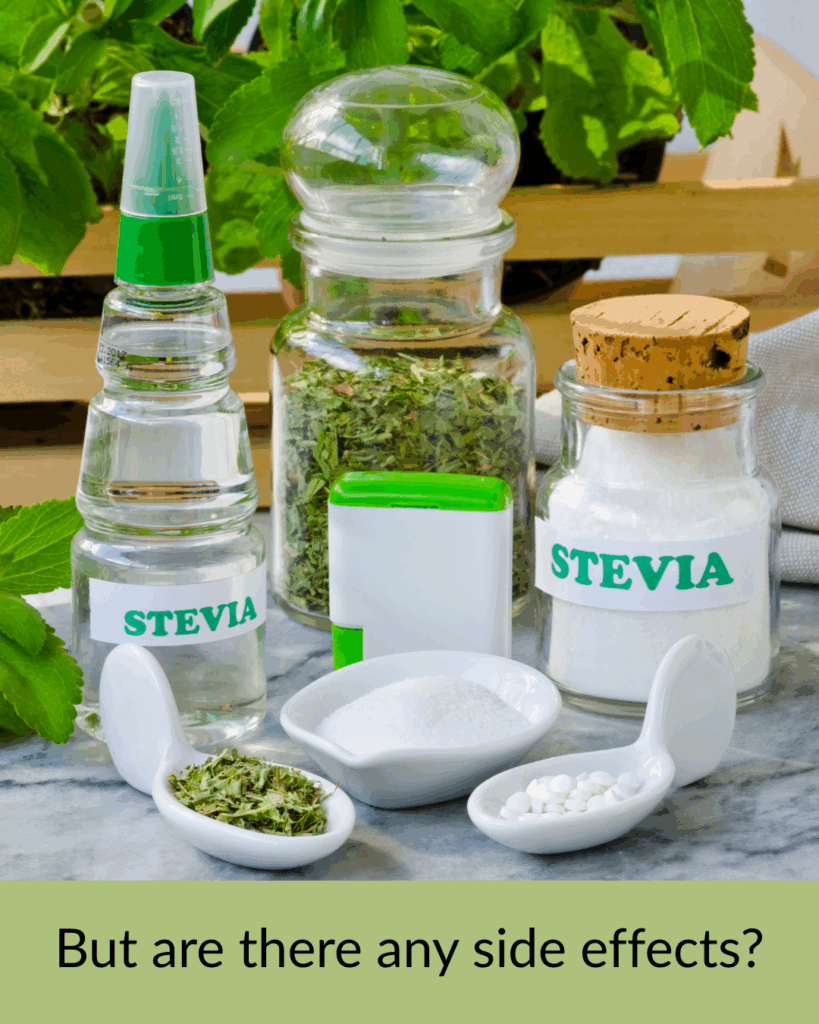
What the Research Actually Shows
Here’s what I found that the marketing doesn’t tell you: stevia isn’t just a sweet plant extract. It contains compounds called steviol glycosides that have a steroid-like molecular structure. This means they can potentially interfere with your body’s delicate hormone balance.
The emerging research is concerning:
- Hormone Disruption: Steviol (stevia’s metabolite) can block progesterone receptors while simultaneously increasing progesterone production – creating what I call a “hormonal traffic jam.” Studies on human sperm show stevia exposure disrupts normal function, and animal studies demonstrate decreased fertility and reproductive system changes.
- Beyond Reproduction: Stevia can increase cortisol levels (your stress hormone), has insulin-mimicking properties that may disrupt blood sugar regulation, and shows mutagenic potential at higher doses.
- Traditional Use Confirms Modern Research: Interestingly, stevia originates from Paraguay, where according to missionaries in the region, women still use a traditional sweet drink for birth control purposes. This aligns with the 1968 research documenting stevia’s contraceptive properties and reminds us that traditional uses often reveal what modern science later confirms.
IMPORTANT DISCLAIMER: This information is shared for educational purposes only and should NOT be interpreted as contraceptive advice. Traditional remedies vary widely in preparation, concentration, and effectiveness between individuals. Stevia should never be relied upon as birth control – proper medical contraception should always be used to prevent unintended pregnancy. Consult your healthcare provider for appropriate contraceptive options.
The Thyroid Question: What We Know and What We’re Not Being Told
This is where the stevia story gets particularly concerning for women, since thyroid issues affect us at much higher rates than men. What I discovered about stevia’s impact on thyroid function completely changed my perspective
How Stevia Side Effects Disrupt Thyroid Hormone Conversion
Your thyroid produces T4 (inactive hormone) which must be converted to T3 (active hormone) for your body to actually use it. This conversion requires glycogen. Here’s the problem: stevia doesn’t produce glycogen, making it impossible for your body to efficiently convert T4 to T3.
The result? You can have “normal” T4 levels on lab tests but still experience classic hypothyroid symptoms like:
- Unexplained weight gain
- Hair loss and thinning
- Chronic fatigue
- Difficulty concentrating
- Cold hands and feet
The Research Bias Problem:
Here’s what really concerns me: there are dozens of studies claiming stevia is “safe,” but when you dig deeper, many are funded by companies like Cargill, PepsiCo, and Coca-Cola – billion-dollar corporations with huge financial stakes in stevia products. These studies consistently focus on acute toxicity (will it kill you immediately?) rather than chronic endocrine disruption (will it mess up your hormones over years of use?).
They measure things like “genotoxicity” and “carcinogenicity” but conveniently ignore hormone disruption, fertility effects, and metabolic impacts. It’s like studying whether a cigarette will cause immediate lung damage while ignoring long-term cancer risk.
Why Thyroid Experts Are Growing Concerned:
While we don’t have specific studies on stevia and thyroid function, the broader research on artificial sweeteners is alarming. A 2015 study found that Hashimoto’s patients using artificial sweeteners showed increased TSH levels, with some experiencing improvement when they removed these sweeteners.
Since stevia contains steviol glycosides with steroid-like structures that demonstrably interfere with other hormone systems, and since the thyroid is part of the interconnected endocrine network, many functional medicine practitioners are recommending caution.
Patient Reports I’m Hearing:
I have worked with several women now who improved their TSH when they discontinued stevia. is stopping stevia going to fix your autoimmune disease? No. But it might reduce the number of “flare” symptoms you experience.
- Migraine-like headache
- Digestive issues
- Brain fog
- palpitations
When billion-dollar industries are funding “safety” studies while independent research keeps finding hormone disruption, I trust the independent science and clinical observations. The fact that safety studies focus on isolated compounds in lab conditions rather than real-world daily consumption patterns tells me everything I need to know
The Processing Problem:
The Processing Problem is Bigger Than You Think
The negative side effects of stevia are in the processing. Unlike traditional use of whole stevia leaves occasionally, modern processed steviol glycosides concentrate these compounds to 200-300 times the sweetness of sugar. The FDA actually doesn’t approve crude stevia extracts or whole leaves – only highly purified compounds – because we lack safety data on the whole plant.
What Modern Processing Actually Involves:
Despite marketing claims about being “natural,” commercial stevia production uses multiple chemical extraction methods including ethanol and methanol for crystallization, various industrial solvents, and pressurized hot water under extreme industrial conditions. The process involves repeated chemical filtrations, crystallization processes, spray drying at high temperatures, and final purification to achieve 95%+ pure steviol glycosides.
Why This Processing Creates Problems:
- Unnatural Concentration: The final product contains steviol glycoside levels never found in nature – it’s like comparing a whole orange to pure isolated citric acid.
- Missing Natural Balance: The crude extract contains what manufacturers call “impurities” – proteins, pigments, pectin, and cellulose. But these aren’t really impurities; they’re the natural plant compounds that traditionally provided balance and may buffer the effects of concentrated sweet compounds.
- Lost Synergy: Traditional plant medicine recognizes that isolated compounds often behave very differently than whole plants because you lose the protective, synergistic effects of other plant compounds working together.

The FDA’s Telling Position:
Here’s what really opened my eyes – the FDA only approves 95%+ purified steviol glycosides as GRAS (Generally Recognized as Safe), but they specifically do NOT approve crude extracts or whole stevia leaves because “we lack safety data on the whole plant.”
This is completely backwards from how plant medicine usually works! Typically, whole plants are safer than isolated, concentrated compounds. The fact that they’re more concerned about the whole plant than the highly processed extract should make us all pause and think.
The Hidden Dose Reality
Here’s what really opened my eyes: most of us are consuming far more stevia than we realize. When it’s in your morning coffee, protein powder, gum, condiments, and “sugar-free” snacks, you may be exceeding the WHO’s recommended safe limit without even knowing it. And is their level of “safe” trustworthy? Modified stevia powder (the white powder that does not have a bitter after taste) is nothing more than a chemical derived from a plant through harsh processing.
A Better Path Forward
Whether it’s side effects of stevia or some other non-nutritive chemical sweetener there is a better way. After working with hundreds of patients, I’ve learned something important: the goal isn’t finding the “perfect” sugar substitute – it’s reducing our dependence on intense sweetness altogether.
Why This Matters
When we constantly satisfy our sweet tooth with artificial sweetness, we’re actually working against ourselves:
- It distorts our taste perception, making naturally sweet foods like berries taste bland
- It perpetuates sugar cravings rather than eliminating them
- We miss out on the complex, wonderful flavors of real food
The Benefits of Embracing Bitters
When we stop covering up bitter tastes, amazing things happen:
- Better digestion (bitters naturally enhance enzyme production)
- Liver support and natural detoxification
- Improved blood sugar regulation
- Access to powerful nutrients in bitter plants
Your 8-Week Taste Bud Reset
Weeks 1-2: Awareness: Track your current sweetener use – you might be surprised! Read labels carefully (stevia hides everywhere) and notice how sweet things need to be for you.
Weeks 3-4: Gentle Reduction Cut stevia amounts by 25-50% in beverages. Try unsweetened versions of products you normally sweeten. Experiment with spices like cinnamon, vanilla, and cardamom for flavor without sweetness.
Weeks 5-8: Taste Bud Retraining Embrace naturally occurring sweetness in vegetables, nuts, and dairy. Try bitter greens like arugula and dandelion. Use minimal amounts of natural sweeteners only when necessary.
Long-term: Flavor Discovery You’ll discover flavors you never noticed before and find your preferences naturally shifting with the seasons.
When You Do Need Sweetness
For those occasional moments when sweetness is needed:
- Small amounts of raw local honey
- Pure maple syrup (grade A, dark robust)
- Fresh or dried dates blended into smoothies
- Whole fresh fruit
Remember: the goal is occasional use, not daily replacement. And not occasionally through each day 🙂
Special Considerations
Be extra cautious with stevia if you have:
- Autoimmune conditions (especially thyroid disorders)
- Fertility concerns or are trying to conceive
- Hormone-sensitive conditions
- Anxiety or mood disorders
- Blood sugar regulation issues
The Bottom Line
“Natural” doesn’t automatically mean “safe for daily consumption in large amounts.” Traditional cultures used stevia leaves occasionally, not as a primary daily sweetener in concentrated, processed forms.
The most sustainable approach is training your palate to appreciate foods in their natural state – sweet, bitter, sour, and all the complex flavors in between. This isn’t about deprivation; it’s about expanding your taste experience and supporting your body’s natural hormone balance.
Your taste buds will adapt more quickly than you expect, and you’ll discover a whole world of flavors you’ve been covering up with excessive sweetness. And you won’t have to worry about the side effects of stevia.
Need Support on Your Journey?
If you’re concerned about your current stevia consumption or want help transitioning to less sweetness dependence, I’m here to help. Through my practice, Christian Healthcare Solutions, I work with women to understand how their daily choices impact their hormone balance and overall vitality.
For those wanting to dive deeper into gut health and natural healing, my Guide to Self-Care for a Healthy Gut provides practical steps to support your body’s natural healing processes – including how to retrain your taste buds and support healthy digestion.
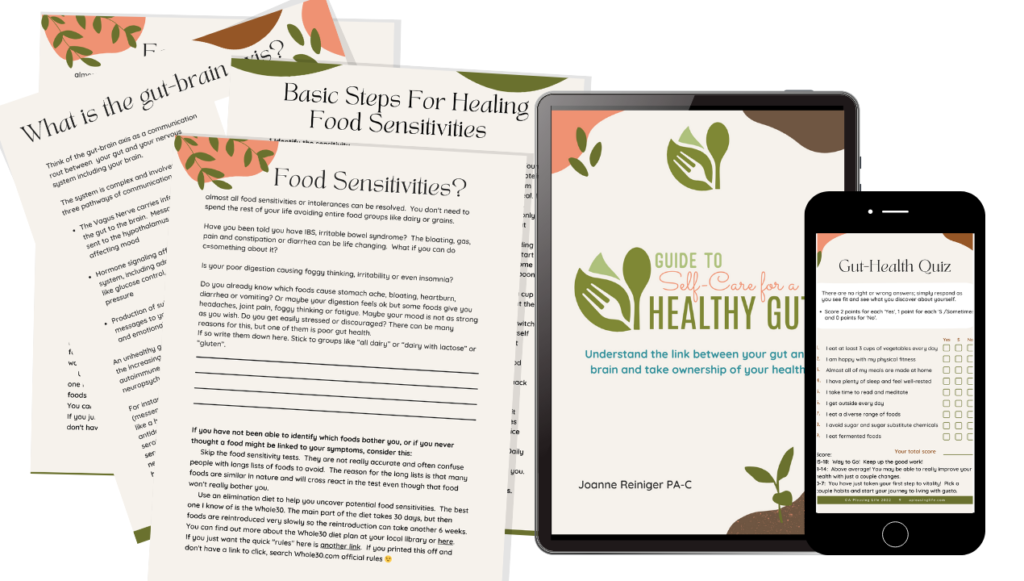
Remember, small changes in daily habits can create significant improvements in long-term health.
Questions to discuss with your healthcare provider:
- Is my current stevia consumption appropriate for my health conditions?
- How can I safely transition to less sweetness dependence?
- Are my symptoms potentially related to sweetener use?
- What lab tests might help assess my hormone balance?
- What are the side effects of stevia?
Don’t be surprised if your healthcare provider has difficulty answering these questions. I can tell you that most of us have very little education in these areas. Detailed hormone testing is far more than a couple of tests.
Your body was designed to work in harmony with God’s creation. Sometimes that means questioning what we’ve been told is “healthy” and returning to the wisdom found in whole, unprocessed foods.
Blessings,
Joanne
Scientific References:
Endocrine Disruption Research:
Shannon, M., et al. (2016). “In vitro bioassay investigations of the endocrine disrupting potential of steviol glycosides and their metabolite steviol, components of the natural sweetener Stevia.” Molecular and Cellular Endocrinology, 427, 65-72.
Reproductive Effects:
Mazzei Planas, G. & Kuć, J. (1968). “Contraceptive properties of Stevia rebaudiana.” Science, 162(3857), 1007.
Melis, M.S. (1999). “Effects of chronic administration of Stevia rebaudiana on fertility in rats.” Journal of Ethnopharmacology, 67(2), 157-161.
Hormone and Stress Response:
Al-Dujaili, E.A., et al. (2017). “Effect of Stevia Consumption on Blood Pressure, Stress Hormone Levels and Anthropometrical Parameters in Healthy Persons.” American Journal of Pharmacology and Toxicology, 12(1), 7-17.
Safety and Toxicology:
Brusick, D.J. (2008). “A critical review of the genetic toxicity of steviol and steviol glycosides.” Food and Chemical Toxicology, 46(7), S83-91.
Orellana-Paucar, A.M. (2023). “Steviol Glycosides from Stevia rebaudiana: An Updated Overview of Their Sweetening Activity, Pharmacological Properties, and Safety Aspects.” Molecules, 28(3), 1258.
Regulatory Information:
World Health Organization/FAO Joint Expert Committee on Food Additives (JECFA). Acceptable Daily Intake: 4 mg/kg body weight for steviol equivalents.
U.S. Food and Drug Administration. Only high-purity steviol glycosides have GRAS (Generally Recognized As Safe) status; crude extracts and whole leaves are not approved for food use.
Additional Reading:
European Food Safety Authority (EFSA) Panel on Food Additives and Nutrient Sources. (2011). Scientific Opinion on the safety of steviol glycosides for the proposed uses as a food additive.
Purkayastha, S., et al. (2016). “Steviol glycosides in purified stevia leaf extract sharing the same metabolic fate.” Regulatory Toxicology and Pharmacology, 77, 125-133.
P.S. If you found this helpful, I’d love to hear about your experience reducing stevia or retraining your taste buds. Feel free to email me at joanne@apleasinglife.com – I read every message personally.Chat controls Sonnet 4