Silicone and Parchment Paper: From Convenience to Vitality
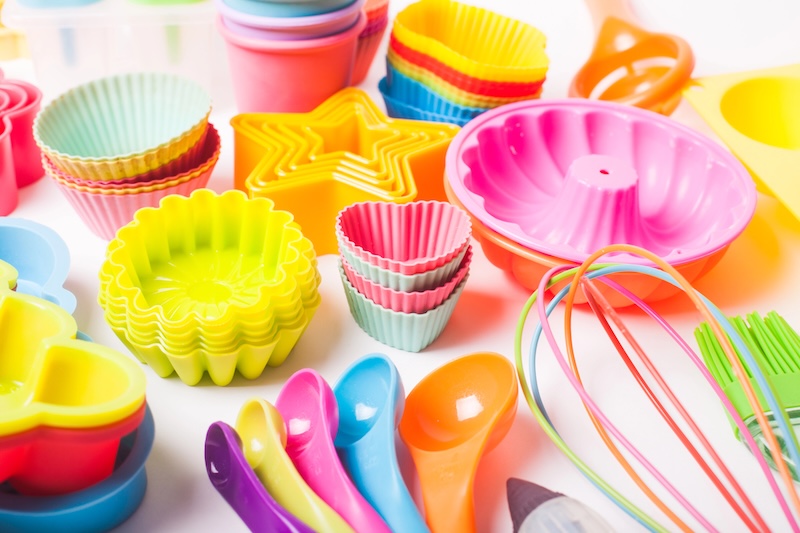
I used to be that person who reached for the “green” products with all the certifications. You know the ones—unbleached parchment paper with the EU Ecolabel, silicone baking cups in cheerful colors (but those didn’t last long – they are just too hard to wash and dry), spatulas that could go from freezer to oven. They seemed so much safer than the alternatives. And those silicone bowl scraper spatulas — Can anything be better?
And that’s exactly what the manufacturers want us to think.
But here’s what I’ve learned after digging into the research: sometimes the most convenient “healthy” options are quietly stealing our vitality.
Today I want to talk about two kitchen staples you probably use regularly—silicone products and parchment paper—and why I’m ditching them.
The Silicone Story: Not What It Seems
When you see “silicone” on a label, what comes to mind?
Many people think of silicon—that natural element found in sand and rock. It sounds earthy and safe, doesn’t it? I mean it’s just glass.
Here’s the truth: Silicone is actually a synthetic rubber made from bonded silicon and oxygen. Its chemical name is siloxane, and it’s far from the natural material the marketing suggests.
The FDA gave silicone the thumbs up back in 1979, granting it GRAS status (Generally Recognized As Safe). But here’s what troubles me: there haven’t been significant follow-up studies since then to assess long-term health implications.
What the Research Actually Shows
A major study by the Swiss Federal Office of Public Health in 2005 looked at what happens when silicone baking molds are heated. The findings were concerning:
Even though silicone demonstrates thermal stability, high temperatures lead to depolymerization of the material, with subsequent volatilization and migration of substances into food.
In plain English? When you heat silicone, it breaks down and parts of it end up in your food.
The study found that non-tempered silicone molds (the cheaper ones) showed significantly higher migration into food. Even the “good” tempered molds still released material, just less of it.
The European Union Knows Something We Don’t
While the FDA hasn’t updated its position, the European Union has classified siloxanes as:
- A Class 1 endocrine disruptor
- A substance that can cause uterine tumors and reproductive issues
- A carcinogen that can cause liver damage
That colorful silicone muffin pan doesn’t seem so cheerful anymore, does it?
The Parchment Paper Problem
I used to love parchment paper. It made baking so easy! No scrubbing pans, roasted vegetables slid right off, and the unbleached varieties seemed like the perfect “clean” choice.
Then I discovered what makes that paper non-stick: silicone coating.
Yes, the same synthetic rubber we just talked about.
Even the most “natural” unbleached parchment paper brands are coated with siloxane to give them that non-stick quality. And when you bake at 350°F, 375°F, or 400°F, you’re heating that coating and allowing it to migrate into your beautiful homemade bread, cookies, and muffins.
The very foods you’re making from scratch with carefully sourced ingredients.
But It’s Unbleached and Has Certifications!
I know, I know. Those certifications are so reassuring. Compostable! Biodegradable! Chlorine-free! EU Ecolabel!
Because nothing says “healthy” like a synthetic rubber coating with fancy badges, right?
But here’s what they don’t tell you: “green” doesn’t always mean healthy.
You can have a product that’s great for the environment but still problematic for your body. The silicone coating makes parchment paper break down nicely in a compost pile, but that same coating is an endocrine disruptor when it gets into your system.
Marketing is a beautiful thing—for the manufacturers.
The Vitality Connection
So why does this matter so much?
Because vitality—that God-breathed life force that animates body, soul, and spirit—isn’t built on convenience. It’s built on wisdom.
Every time we choose convenience over wisdom, we’re making small withdrawals from our vitality account.
One batch of muffins in silicone cups won’t destroy your health. But years of daily exposure to endocrine disruptors? That accumulates. It shows up as:
- Hormonal imbalances
- Thyroid issues
- Reproductive problems
- Chronic inflammation
- Reduced energy and mental clarity
The very things that drain our vitality and keep us from living fully for God’s glory.
Remember, our bodies are temples of the Holy Spirit (1 Corinthians 6:19-20). When we honor that truth, we make different choices—even when those choices require more effort.
What I Use Instead: The Grandma Method
After ditching silicone and parchment paper, I went back to the way my great-grandmother baked. And you know what? It works beautifully.
Grease and Flour Method
This is so simple you’ll wonder why you ever thought you needed parchment paper:
- Grease your pan with a thin film of healthy, high smoke-point fat
- I use palm oil for most baking
- A 1:1 mix of lard and tallow works beautifully (and I’m moving more toward this combination)
- Grass-fed butter for certain applications
- Dust with flour
- Use your fingers to sprinkle flour over the greased surface
- You don’t need total coverage—just a light dusting
- I use my homemade sprouted flour blend
- That’s it!
- Muffins pop right out
- Roasted vegetables release beautifully from the pan
- Bread slides out cleanly
What About the Cleanup?
Yes, it requires more work. I frequently roast vegetables, and those caramelized bits can take some real elbow grease to clean up. Sometimes you need to soak your pans for a bit.
But here’s how I think about it: I’ve taken such care to source organic ingredients, raise my own food, and prepare nourishing meals. Why would I sabotage all that effort with toxic silicone residue?
The extra time at the sink is worth preserving my family’s vitality.
My Current Baking Setup
I’ve also upgraded my bakeware:
- Stainless steel muffin pans (greased and floured)
- Stainless steel baking sheets
- Glass or stainless steel loaf pans
- Cast iron for certain applications
If you’re still looking for a paper option, I’ve found one (probably) safe alternative: Patapar paper. It’s uncoated cooking parchment that works for cookies and bread (though I still prefer the grease-and-flour method for most things).
The Sourdough Dilemma
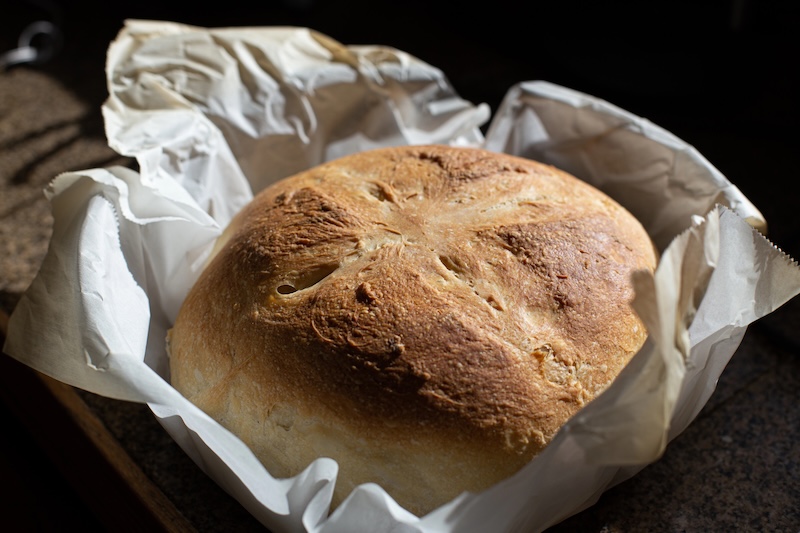
So many of us homestead bakers have been doing this: lining our proofing bowls with parchment paper, then lifting the whole thing—parchment and all—into a screaming hot Dutch oven at 450°F or higher.
My daughter Megan makes our sourdough bread this way. Or rather, she used to.
Think about it: that parchment is getting heated to extreme temperatures, releasing siloxanes directly into your beautiful homemade loaf. All that careful sourdough fermentation, all those gut-healthy benefits… and we’re coating it with endocrine disruptors.
Here are better alternatives for transferring sourdough:
The Traditional Banneton Method (my favorite)
- Proof your dough in a well-floured banneton or a bowl lined with a well-floured tea towel
- Use rice flour for dusting—it doesn’t absorb moisture and prevents sticking better than wheat flour
- When ready to bake, flip the dough onto your hand or a piece of cardboard, then quickly transfer into the hot Dutch oven
- Score and bake as usual
The Cornmeal Base Method
- Generously dust the bottom of your hot Dutch oven with cornmeal or semolina before transferring
- The cornmeal creates a buffer and adds nice texture to the bottom crust
- Transfer using a dough scraper or your floured hands
The Cold Dutch Oven Method (easiest!)
- Place your shaped dough directly in a COLD Dutch oven
- Put the whole thing in a cold oven, then turn it to 450°F
- Bake as usual once it reaches temperature
- No scary hot transfer, no parchment needed
- Results are nearly identical to the hot start method
We’ve switched to the cold Dutch oven method and haven’t looked back. The bread is just as beautiful, and I have peace knowing there’s no silicone migrating into our daily bread.
What About Cold Uses?
“But Joanne,” you might ask, “what about using silicone spatulas to scrape bowls or silicone molds for freezer popsicles?”
The research shows that silicone poses significantly less risk at room temperature or in the freezer. The migration into food happens primarily with heat.
That said, I’m working toward eliminating silicone from my kitchen entirely. Here’s why:
Siloxanes are persistent toxins in the environment. They don’t break down easily. They bioaccumulate. And the emerging research is concerning enough that I don’t want even small amounts in my body.
For cold uses, I’m transitioning to:
- Wooden spoons and spatulas
- Stainless steel utensils
- Glass or stainless steel storage containers
- Ice cube trays made from stainless steel
If you need something flexible to scrape out that bowl use the clean finger the good Lord gave you.
This shift takes time, and that’s okay. I’m not throwing out everything at once. As items wear out or as budget allows, I’m replacing them with safer alternatives.
Making the Shift
I know this might feel overwhelming, especially if you’ve invested in a collection of silicone bakeware and have been using parchment paper for years.
Take it one step at a time:
This month: Try the grease-and-flour method for one type of baking. Start with cookies or muffins—they’re the easiest.
Next month: Replace one silicone item with a safer alternative. Maybe start with spatulas or mixing bowls.
Over time: Gradually transition away from parchment paper for all heated applications.
You don’t have to do it all at once. Progress, not perfection.
The Bigger Picture
This journey from convenience to vitality isn’t really about parchment paper and silicone molds.
It’s about waking up to the ways modern life—even the “green” and “healthy” versions—pulls us away from the wisdom of our ancestors and the design of our Creator.
It’s about recognizing that authentic vitality requires us to question popular narratives, do our own research, and make choices based on truth rather than marketing.
It’s about honoring the temple God gave us, even when that honor requires more work, more time, and more intention.
The abundant life Christ promises (John 10:10) isn’t found in convenience. It’s found in obedience, wisdom, and the daily choice to steward our bodies well.
Your Next Steps
If this resonates with you and you’re ready to dig deeper into building true vitality from the inside out, I have resources to help:
Start with gut health: My Guide to Self-Care for a Healthy Gut shows you simple, natural ways to support your digestive system without supplements or pills. So many of the health issues we face—including our body’s ability to detoxify from environmental chemicals like siloxanes—start with gut health.
Coming in November 2025: I’m launching Foundations of Vitality, a comprehensive resource to help you build authentic health from the ground up. If you’re on my email list, you’ll be the first to know when it’s available.
And if you’re not yet receiving my newsletter, sign up today! I share real-life stories from the homestead, practical health tips, and encouragement for Christian women seeking to honor God with their wellness choices. See the sign up form at the bottom of this page.
Final Thoughts
I won’t tell you that ditching parchment paper and silicone was easy. There’s a learning curve, and yes, more dishes to wash.
But you know what? After a few weeks, it became second nature. And now when I pull a pan of golden muffins from the oven—made with our chicken eggs, local raw milk, and sprouted flour—or slide roasted vegetables onto our dinner plates, I have peace knowing there’s no silicone residue lurking in those beautiful homemade foods.
That peace? That’s part of vitality too.
Blessings,
Joanne Reiniger PA-C
P.S. Want to know easy and natural ways to get Vitamin D without a supplement? Check out this post
References
- Scientific American. “Silicone Tally: How Hazardous Is the New Post-Teflon Rubberized Cookware”
- Swiss Federal Office of Public Health. “Heat stability and migration from silicone baking moulds.” 2005.
- Life Without Plastic. “Is Silicone a Plastic?”
- David Suzuki Foundation. “The Dirty Dozen: Siloxanes”
- Force of Nature. “What are Siloxanes: Chemical Free Living”
Wow, thank you so much, Joanne! A very helpful article full of research! Will have to make some changes after reading it 🙂