The Day My Smoothie Turned To Concrete
Several years ago, I started every morning with the most enormous green smoothie you could imagine. I’d discovered a blog promoting plant-based eating and green smoothies, and since we weren’t eating much meat at the time (budget constraints), I thought this was perfect. And all the health experts were saying “eat more raw green leafy vegetables.” I really thought I was on the way to glorious health.
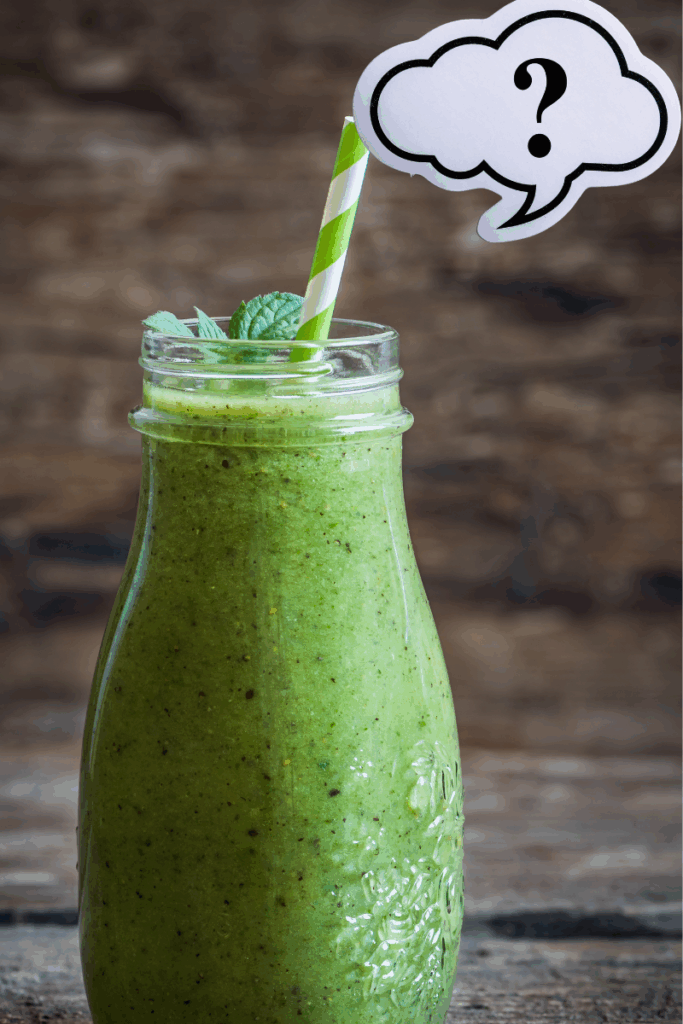
Picture this: I’d fill my big blender with five cups of greens, one to two cups of strawberries, and a handful of oats. The result? The most unappetizing color you’ve ever seen. Red and green mixed still makes a nauseating brown.
I went through my garden like a rabbit—first the early spinach until it bolted, then the Swiss chard until it was sheared off, then reluctantly to the kale. Don’t get me wrong, I like kale, but five cups of it overpowers everything else in a smoothie.
I did this for years, carrying my quart jar of leftover smoothie to work and sipping it throughout the morning. My coworkers begged me to cover it up.
The whole process was unhealthy for more reasons than I can list, but the biggest issue was volume. That much liquid overwhelmed my stomach, meaning portions left undigested—terrible for gut microbes and nutrient absorption. Plus, we’re not meant to consume that quantity of raw greens at once.
The Final Straw (Literally)
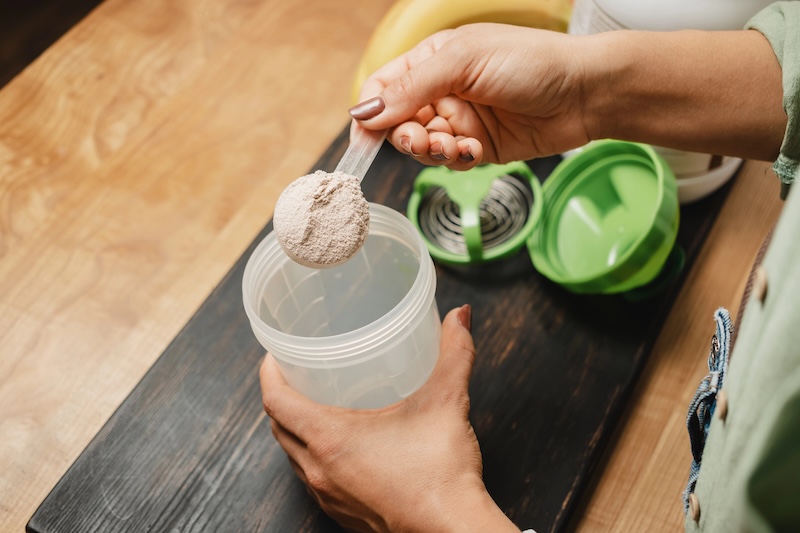
The end came with what I called my “blueberry pie smoothie”—wild blueberries, lots of kale, oats, spices, and organic, hexane-free protein powder.
Here’s the thing about blueberries: they contain significant pectin and thicken when mashed and left standing. Oatmeal thickens too. And kale? Well, kale does its own thing.
After sitting on my desk for a couple hours while I saw patients, I returned to find an ugly, soft but solid mass in my jar that was impossible to suck through a straw. I gagged. Tried again. Nope. I was done. I stuck that jar away where no one had to look at it, and I fed it to the chickens when I got home.
I still occasionally enjoy a reasonably-sized smoothie (like this delicious immune-boosting recipe), but I finally gave up protein powder after learning some troubling facts.
The Protein Powder Safety Problem
My first suspicion about the “healthy” protein powder came from a friend who simply asked me if I could make it in my kitchen. I thought it was ground up chick peas. Nope.
I did a little research and decided I needed to be picky about which brand I bought. Then I slowly gave them up. They didn’t taste good and I never really felt any benefit.
As I always say, ‘Your brain and gut biome don’t care about the latest trends. But they do care about nutrients they can absorb.’ And what I discovered about protein powder showed me it wasn’t providing the kind of absorption my body needed.
Recently, while researching some Weston Price Foundation materials, I came across this quote that stopped me in my tracks:
Is this true????
Unfortunately, recent research suggests it largely is.
The Heavy Metal Reality
A January 2025 study by the Clean Label Project tested 160 protein powders from 70 top-selling brands and found alarming results:
47% exceeded California’s strict safety limits for heavy metals like lead and cadmium
Organic wasn’t better—organic protein powders contained three times more lead and twice the cadmium compared to non-organic products
Plant-based was worse—containing three times more lead than whey-based products
Chocolate flavoring was the worst—chocolate-flavored powders had four times more lead and up to 110 times more cadmium than vanilla
The EPA says no level of lead is safe for human consumption, and cadmium is a known carcinogen that damages the heart, kidneys, brain, and reproductive system.
The Processing Problem
Beyond contamination, there’s the issue of damaged proteins. Heat and chemical processing alter protein structures, potentially creating new compounds that can trigger immune reactions in sensitive individuals.
Many plant-based proteins use harsh extraction methods involving chemicals like hexane (a gasoline byproduct) or high-sodium solutions.
Even “hexane-free” doesn’t mean chemical-free—other acidic and alkaline chemicals are often used to achieve high protein concentrations.
The Artificial Sweetener Trap
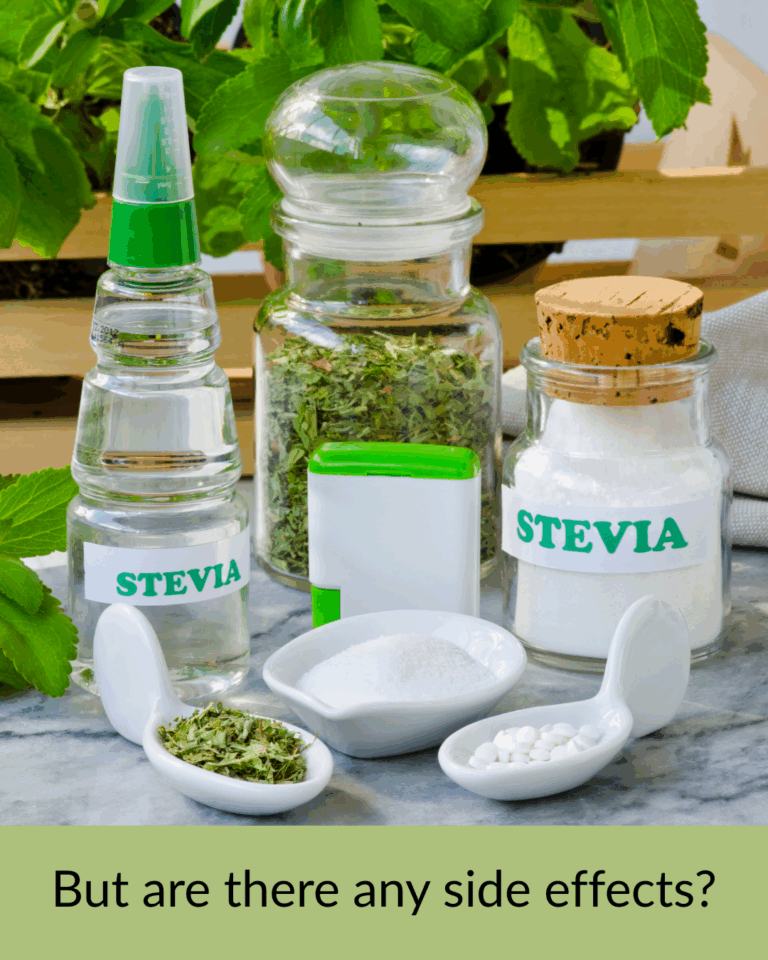
Here’s another problem: most flavored protein powders contain non-nutritive sweeteners like sucralose, aspartame, or stevia extracts. These trick your body into thinking sugar is coming, but when it doesn’t arrive, your metabolism gets confused.
Studies show people can switch to these artificial sweeteners and still struggle with weight and metabolic health.
Your body’s insulin response gets triggered by the sweet taste, even without actual sugar, which can disrupt blood sugar regulation and contribute to cravings. It’s another example of how processed “health” foods can work against your body’s natural wisdom.
The Marketing vs. Reality
Here’s what the supplement industry doesn’t want you to know — most Americans already get plenty of protein from food.
A 5-ounce container of plain Greek yogurt has about 17 grams of protein, and 3.5 ounces of chicken breast contains 31 grams—comparable to or better than most protein powders.
The $9.69 billion protein powder market seems driven more by marketing than nutritional necessity.
“But What About When I Need More Protein?”
I can already hear some of you asking: “Joanne, what if I have pre-diabetes or insulin resistance? My doctor said I need high protein at breakfast, and I can’t do dairy. Isn’t protein powder the answer?”
Great question. Let me walk you through what the research actually shows.
The Dairy-Insulin Problem is Real
If you react poorly to dairy, you’re not imagining it.
Research shows dairy is what scientists call an “insulin secretagogue”—it prompts your pancreas to secrete insulin sometimes five times greater than you’d expect based on the carbs alone.
While this can help control blood sugar spikes in the moment, it may actually make you more insulin resistant the next day. Studies of middle-aged women show those consuming the most dairy had significantly greater insulin resistance than those eating less—even after controlling for body fat and activity level.
Here’s the kicker: low-fat dairy was worse than full-fat. The protein concentration in low-fat products seems to drive the insulin spike.
Would Protein Powder Be Better?
Not really. You’d be trading one problem for another. Concentrated protein powders (especially whey) trigger that same excessive insulin response—it’s the isolated, concentrated protein that’s the issue, not just the lactose or dairy fat.
What About the “139 Grams of Protein” Recommendation?
Let’s say you weigh 171 pounds and you’re trying to lose weight. Using the current expert recommendation of 1.8 g/kg, you’d need to eat 139.6 grams of protein daily. That’s a lot of protein. Is it really necessary?
Here’s what I’ve learned: While some people genuinely benefit from higher protein at breakfast – especially those with blood sugar or autoimmune issues – the “30 grams” message has been hijacked by the protein powder industry. The answer isn’t powder. It’s real food.
But Wait – What KIND of Dairy?
Before you swear off dairy completely based on that research, let me ask you what I always ask: What exactly were they studying?
Here’s what I discovered: Most of these studies on dairy and insulin don’t specify what type of milk they used. They just say “milk” or “dairy.” But in research, that almost always means conventional store-bought milk – pasteurized, homogenized, from Holstein cows (which produce A1 beta-casein), often from grain-fed, hormone-treated cows.
This matters enormously because:
A1 vs. A2 Milk:
Research shows that A1 beta-casein protein (common in Holstein dairy cows) produces a problematic peptide during digestion that A2 beta-casein protein (from Jersey, Guernsey, and traditional breeds) does not.
Studies in mice found that A1 milk caused higher blood sugar, more insulin resistance, and more pancreatic inflammation than A2 milk.

Raw vs. Pasteurized:
Pasteurization destroys the naturally-occurring enzymes in milk (lactase for digesting milk sugar, lipase for digesting fat, protease for digesting protein) that help your body handle dairy. It also reduces insulin content in the milk itself by over 46%.
Pasture vs. Grain-Fed:
Milk from pasture-fed cows has a completely different fatty acid profile with more anti-inflammatory omega-3s and CLA.
This is why I feel fine drinking my raw, organic, A2A2 milk from pasture-fed cows, but feel terrible drinking store milk. They’re not the same food.
So when someone says “dairy triggers excessive insulin,” my response is: “What dairy?”
If you have access to properly sourced milk and tolerate it well, that’s very different from the industrial milk used in most studies. But if store dairy makes you feel bad—as it does for many people—listen to your body and find other whole-food protein sources.
Dairy-Free High-Protein Breakfast Ideas

If you’re avoiding dairy (either temporarily while healing your gut or permanently), here are some satisfying, nutrient-dense breakfast options that provide good protein without relying on powder:
The Savory Breakfast Bowl
3 pastured eggs scrambled in butter or ghee (18g protein) 1/2 avocado (2g protein + healthy fats) Large handful of sautéed spinach or kale (2-3g protein) Side of fermented vegetables (gut support) Total: ~22g protein with fat, fiber, and cofactors
The Leftover Revolution
4 oz leftover pot roast, pork chop, or chicken thighs (25-28g protein) Roasted sweet potato with coconut oil Side of sauerkraut or kimchi Who says breakfast needs to look like breakfast? Total: 25-28g protein
The Smoked Fish Plate
4 oz wild-caught smoked salmon (23g protein) Sliced cucumber and radishes Half an avocado Handful of olives Lemon wedge Total: ~24g protein
The Breakfast Sausage Hash
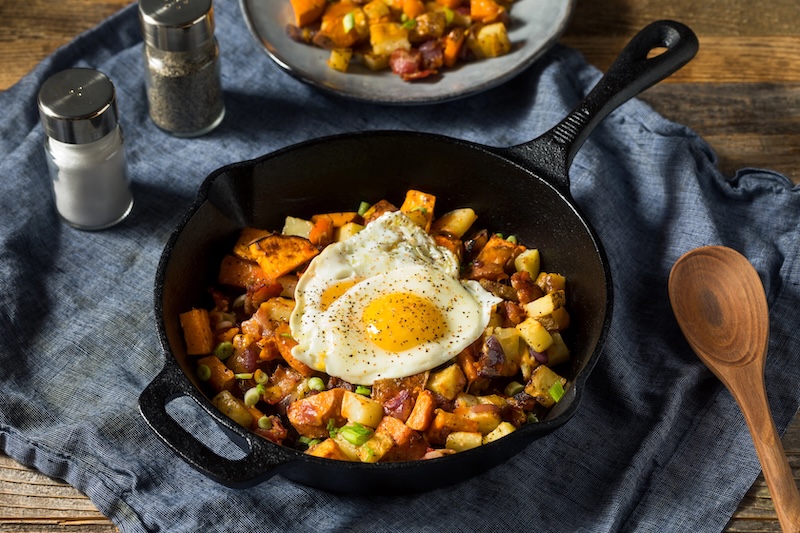
3-4 oz homemade or clean pork/turkey sausage (15-20g protein) 2 eggs cooked in the sausage fat (12g protein) Diced sweet potato pan-fried until crispy Bell peppers and onions Total: 27-32g protein
The Bone Broth Base
2 cups homemade bone broth or collagen-rich meat broth(6-12g protein depending on strength)
2-3 eggs poached directly in the simmering broth (12-18g protein)
Handful of mushrooms and greens
Splash of coconut aminos
Green onions
Total: 18-30g protein (plus gut-healing collagen and gelatin)
The Nut & Seed Power Bowl
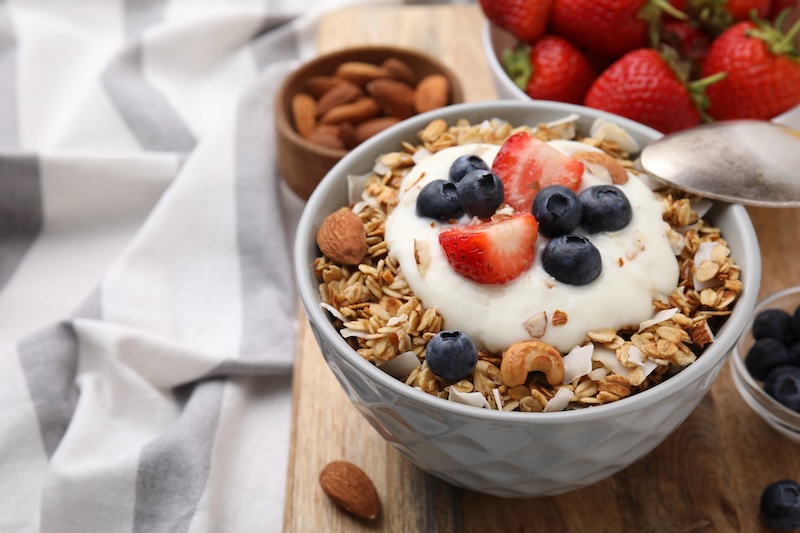
1/4 cup almonds or walnuts (6-7g protein) 2 tablespoons almond butter (7g protein) 1 tablespoon chia seeds (2g protein) Berries Unsweetened coconut yogurt (if tolerated) Drizzle of raw honey Total: ~15g protein (lighter option, great with afternoon protein)
Hot Tip: Notice these meals combine protein with healthy fats (butter, ghee, coconut oil, avocado) and either vegetables or fermented foods. This is what actually stabilizes blood sugar—not isolated protein numbers.
The Real Solution: Whole Foods with Cofactors
Eat real food with naturally-occurring protein, fat, and fiber
Support your digestion so you actually absorb the nutrients (remember those digestive bitters?)
Include vegetables at breakfast—yes, really! (Check out my Gut Health Checklist for more ideas)
Listen to your body and your own common sense rather than chasing numbers from the supplement industry
Your body knows what to do with a pastured egg. It recognizes the protein, fat, vitamins, and minerals working together. It doesn’t know what to do with isolated pea protein extract mixed with gums and artificial sweeteners.
Protein Powder Safety: What You Need to Know Before Buying
I’d rather see you eat real food. But if you’re in a genuinely difficult situation where protein powder serves a purpose, here’s how to choose the least harmful option.
What the Research Shows
Recent testing of 160 protein powders from 70 brands found that 47% exceeded California’s safety limits for toxic metals, with organic products showing three times more lead and twice the cadmium of non-organic products, and plant-based powders containing three times more lead than whey-based alternatives.
This means: Organic doesn’t equal clean. Plant-based carries higher risk. And chocolate flavoring is the worst offender.
Look For These Certifications
Third-party tested by: Clean Label Project, Informed Choice, NSF Certified for Sport, or LabDoor Must publish actual test results – not just claim they test Batch-specific testing – so you can look up YOUR lot number (brands like Promix offer this)
Cleanest Options Based on Testing
For Whey Protein (if you tolerate dairy):
Naked Grass-Fed Whey – independently tested showing less than 0.30 mcg arsenic and less than 0.15 mcg each of cadmium, lead, and mercury per serving
Promix Whey Protein – tested showing less than 5.0 ppb for mercury and lead, less than 10.0 ppb for cadmium and arsenic
Legion Whey+ (grass-fed)
Natural Force Organic Whey (unflavored)
Erewhon A2 Whey Protein – Specifically markets as A2/A2
DREXSPORT Wild Whey – From A2 Guernsey cows
Alexandre Family Farm – Makes A2/A2 milk protein concentrate
The Office Health – Organic A2 grass-fed whey from Jersey cows
For Plant-Based (higher risk category):
Wholier Organic Plant Protein – third-party tested multiple times during manufacturing including heavy metal testing Naked Pea (unflavored only – remember chocolate is worst) Truvani – publishes heavy metal test results with minimal ingredients of organic pea, pumpkin seed, and chia seed protein Sprout Living Simple Protein (single ingredient)
For Collagen (not complete protein but gut-healing):
Vital Proteins (unflavored, unsweetened) Paleovalley Bone Broth Protein Just Ingredients Collagen
Ingredients to AVOID
Sweeteners:
- Aspertame (Nutrasweet)
- Sucralose (splenda)
- Acesulfame potassium (Ace-K)
- Modified stevia
- Stevia extract (Truvia etc) It’s not a simple extract and takes roughly 40 steps to process
- Allulose – The new one on the market. Some harmful gut bacteria like Klebsiella can actually feed on it and grow.
- Sugar alcohols like erythritrol, sorbitol and anything ending with ‘ol’
- Why? Disrupts insulin response, alters gut bacteria and causes cravings
Thickeners & Gums:
- Xantham Gum
- Guar Gum
- Carrageenan
- Why? Can cause digestive distress, gas and bloating immune system suppression. Carrageenan in particular is associated with chronic inflammation and possibly even cancer promotion. Link to study
Inflammatory Oils:
- Soybean oil
- Canola Oil
- Corn Oil
- Vegetable oil
- Why? High in omega-6 fatty acids
Concerning Additives:
“Natural flavors” (can hide MSG and other chemicals) Maltodextrin (spikes blood sugar) Soy lecithin (unless organic, likely GMO) Artificial colors Carrageenan (linked to gut inflammation)
The Safest Choice
Buy unflavored and unsweetened. Yes, it tastes like nothing. That’s the point. You can add:
Your own cocoa powder (tested brand) Real vanilla extract Cinnamon Your choice of sweetener (raw honey, maple syrup, or none) Frozen berries when blending
My Professional Opinion
After researching protein powder safety concerns, I’m even more convinced that whole food is the answer. Those eggs from your neighbor’s chickens? That grass-fed beef from the farmer down the road? That’s protein your body recognizes, with all the cofactors intact, and zero heavy metal lab reports needed.
If you’re using protein powder daily, I’d encourage you to ask yourself: Why?
Is it truly more convenient than hard-boiling a dozen eggs on Sunday?
Is it really saving time compared to leftovers?
And most importantly:
Are you chasing a protein number that marketing taught you to chase?
Sometimes the answer is yes—you’re traveling, you’re recovering from illness, you’re in a genuinely tight spot. In those cases, choose wisely using the guide above.
But most of the time? Your body is asking for real food.
More Real Food Wisdom
Natural Vitamin D Too
Speaking of getting nutrients from real food rather than supplements, have you read my post about getting vitamin D from food? It’s another example of how our Creator designed nature to provide what we need.
Want to dive deeper into gut health?
Check out my Guide to Self-Care for a Healthy Gut – it’s packed with practical wisdom for healing from the inside out.
What surprised you most about this post?
Feel free to drop you questions or opinions below.
Blessings,
Joanne
References
Heavy Metals in Protein Powder
Clean Label Project. (2025). 2024-25 Protein Powder Category Report.
https://cleanlabelproject.org/wp-content/uploads/CleanLabelProject_ProteinStudyWhitepaper_010625.pdf
Consumer Reports. (2024). Protein Powders and Shakes Contain High Levels of Lead.
https://www.consumerreports.org/lead/protein-powders-and-shakes-contain-high-levels-of-lead-a4206364640/
A1 vs. A2 Milk Research
Brooke-Taylor, S., et al. (2017). Systematic Review of the Gastrointestinal Effects of A1 Compared with A2 β-Casein. Advances in Nutrition, 8(5), 739-748. [Free full text]
https://pmc.ncbi.nlm.nih.gov/articles/PMC5593102/
Pal, S., et al. (2015). Milk Intolerance, Beta-Casein and Lactose. Nutrients, 7(9), 7285-7297. [Free full text]
https://pmc.ncbi.nlm.nih.gov/articles/PMC4586534/
Priyadarshini, P., et al. (2018). Dietary Cows’ Milk Protein A1 Beta-Casein Increases the Incidence of T1D in NOD Mice. Nutrients, 10(9), 1291. [Free full text]
https://pmc.ncbi.nlm.nih.gov/articles/PMC6163334/
Raw Milk
Raw Milk Institute. (2024). Letter to Medical Professionals about Raw Milk.
https://www.rawmilkinstitute.org/updates/letter-to-medical-professionals-about-raw-milk
Carrageenan Safety Concerns
Tobacman, J.K. (2001). Review of harmful gastrointestinal effects of carrageenan in animal experiments. Environmental Health Perspectives, 109(10), 983-994. [Free full text]
https://pmc.ncbi.nlm.nih.gov/articles/PMC1242073/
Cornucopia Institute. (2016). Carrageenan: New Studies Reinforce Link to Inflammation, Cancer and Diabetes.
https://www.cornucopia.org/wp-content/uploads/2016/04/CarageenanReport-2016.pdf
Allulose
https://pmc.ncbi.nlm.nih.gov/articles/PMC11580995/
This one actually discusses that Klebsiella pneumoniae can metabolize allulose
Stevia
Ashwell, M. (2015). Stevia, Nature’s Zero-Calorie Sustainable Sweetener: A New Player in the Fight Against Obesity. Nutrition Today, 50(3), 129-134. [Free full text]
https://pmc.ncbi.nlm.nih.gov/articles/PMC4890837/
Clean Protein Powder Testing
Mamavation. (2024). Protein Powders Tested for Pesticides, Heavy Metals, PFAS, & Phthalates.
https://mamavation.com/food/protein-powders-pesticides-heavy-metals-pfas-phthalates.html